In today’s fast-paced digital world, system integration is no longer optional—it’s essential. From startups to global enterprises, organizations rely on seamless data flow across platforms to boost efficiency, reduce costs, and drive innovation. Let’s dive into how smart integration can transform your business.



What Is System Integration and Why It Matters

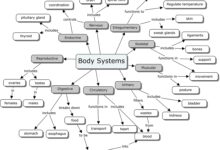
At its core, system integration refers to the process of connecting different IT systems, software applications, and technologies so they function as a unified whole. This enables data to flow smoothly between departments, platforms, and third-party services, eliminating silos and improving operational efficiency.
Defining System Integration
System integration involves combining various subsystems into one cohesive system where each component communicates effectively with the others. This can include legacy systems, cloud platforms, databases, and enterprise applications like ERP, CRM, and HRM.
- It ensures interoperability between disparate technologies.
- It supports real-time data sharing across business units.
- It enhances decision-making through centralized information access.
“Integration is not just about technology—it’s about aligning people, processes, and systems to achieve business goals.” — Gartner Research
The Evolution of System Integration
System integration has evolved significantly over the decades. In the 1980s and 1990s, it primarily involved connecting mainframes and early enterprise systems using proprietary protocols. With the rise of the internet and service-oriented architecture (SOA), integration became more flexible and scalable.
Today, thanks to cloud computing, APIs, and microservices, system integration is faster, more agile, and accessible even to small businesses. Modern integration platforms like Amazon API Gateway and Google Cloud APIs have democratized access to powerful integration tools.
The Key Benefits of System Integration
Implementing effective system integration brings a wide range of advantages that directly impact an organization’s performance, scalability, and competitiveness.
Improved Operational Efficiency
When systems are integrated, manual data entry and redundant tasks are minimized. Employees spend less time switching between platforms and more time on value-added activities.
- Automated workflows reduce processing time by up to 70%.
- Real-time synchronization prevents delays in order fulfillment or customer service.
- Integrated inventory and sales systems prevent stockouts and overstocking.
Enhanced Data Accuracy and Visibility
One of the biggest challenges in modern business is data fragmentation. Without system integration, data lives in isolated silos—sales in one system, finance in another, operations elsewhere.
Integration ensures that all departments work from a single source of truth. This leads to better reporting, forecasting, and strategic planning. For example, a CFO can generate real-time financial reports because accounting software is synced with sales, procurement, and payroll systems.
Cost Reduction and ROI Improvement
While there’s an initial investment in integration, the long-term savings are substantial. Companies report cost reductions of 20–30% in IT operations after successful integration projects.
- Reduced need for custom middleware or point-to-point connections.
- Lower maintenance costs due to fewer standalone systems.
- Higher return on existing software investments through better utilization.
Types of System Integration Approaches
There is no one-size-fits-all solution when it comes to system integration. Different organizations require different integration strategies based on their size, complexity, and technological landscape.
Point-to-Point Integration
Also known as “spaghetti integration,” this approach connects systems directly to each other using individual links. While simple for small setups, it becomes unmanageable as the number of systems grows.
- Each new system requires multiple new connections.
- High maintenance overhead and risk of errors.
- Not scalable for large enterprises.
This method is often used temporarily during migrations but should be avoided in long-term architecture.
Vertical Integration (Silos-Based)
In vertical integration, systems are grouped by function or department (e.g., finance, HR, sales) and integrated within those silos. While this improves internal efficiency within departments, it doesn’t solve cross-functional data sharing issues.
- Easy to implement within a single business unit.
- Limited inter-departmental visibility.
- Still leads to data duplication and inconsistency.
Horizontal Integration (Enterprise Service Bus – ESB)
This approach uses a central communication backbone—called an Enterprise Service Bus (ESB)—to connect all systems. Every application communicates through the ESB, making it easier to manage and scale.
- Reduces the number of direct connections needed.
- Supports real-time messaging and event-driven architectures.
- Ideal for large, complex environments with many systems.
Tools like IBM App Connect and MuleSoft ESB are popular choices for implementing horizontal integration.
Star Integration (Hub-and-Spoke Model)
In this model, a central hub acts as the intermediary between all connected systems. Each system only needs to connect to the hub, not to every other system.
- Simplifies connectivity and reduces complexity.
- Easier to add or remove systems without disrupting others.
- Commonly used in cloud-based integration platforms (iPaaS).
This model is widely adopted in modern integration platforms such as Zapier and Workato.
Common Challenges in System Integration
Despite its benefits, system integration is not without obstacles. Organizations often face technical, organizational, and strategic hurdles that can delay or derail integration efforts.
Data Inconsistency and Format Mismatches
Different systems often store data in incompatible formats—dates, currencies, naming conventions, and units of measure may vary. Without proper mapping and transformation, data loses meaning when transferred.
- Legacy systems may use outdated encoding or database structures.
- Cloud applications may enforce strict schema requirements.
- Data normalization is critical before integration begins.
Security and Compliance Risks
Integrating systems increases the attack surface for cyber threats. Sensitive data moving between platforms must be encrypted and access-controlled.
- GDPR, HIPAA, and CCPA compliance must be maintained across integrated systems.
- Authentication protocols like OAuth 2.0 and SAML are essential.
- Audit trails and logging should be enabled for all data exchanges.
For best practices, refer to the NIST Cybersecurity Framework, which provides guidelines for secure system integration.
Legacy System Compatibility
Many organizations still rely on legacy systems that were not designed for modern integration standards. These systems may lack APIs, use obsolete protocols, or run on unsupported hardware.
- Wrapping legacy systems with API layers can help bridge the gap.
- Middleware solutions can translate between old and new protocols.
- Gradual migration strategies (like strangler fig pattern) minimize disruption.
Organizational Resistance and Change Management
Technology is only half the battle. Employees and departments may resist integration due to fear of job loss, increased workload, or unfamiliarity with new processes.
- Clear communication about benefits is crucial.
- Training programs help ease the transition.
- Leadership buy-in ensures alignment across teams.
Best Practices for Successful System Integration
To maximize the chances of a smooth and effective integration, organizations should follow proven best practices throughout the planning, execution, and maintenance phases.
Start with a Clear Integration Strategy
Before writing a single line of code, define your goals: What systems need to be connected? What data needs to flow? Who are the stakeholders?
- Conduct a thorough audit of existing systems and data flows.
- Identify pain points and prioritize integration projects accordingly.
- Align integration goals with overall business objectives.
Choose the Right Integration Tools and Platforms
The market offers a wide range of integration tools, from open-source solutions to enterprise-grade platforms. The right choice depends on your budget, technical expertise, and scalability needs.
- iPaaS (Integration Platform as a Service): Ideal for cloud-centric businesses. Examples: MuleSoft, Azure Logic Apps.
- ETL Tools: Best for data warehousing and batch processing. Examples: Informatica, Talend.
- Custom APIs: Offer maximum flexibility but require in-house development resources.
Ensure Scalability and Future-Proofing
Your integration solution should not only meet current needs but also accommodate future growth. Design with scalability in mind.
- Use modular architectures that allow easy addition of new systems.
- Adopt microservices and containerization (e.g., Docker, Kubernetes) for agility.
- Monitor performance and plan for capacity upgrades.
Implement Robust Monitoring and Maintenance
Integration is not a one-time project—it requires ongoing monitoring, troubleshooting, and optimization.
- Use logging and alerting tools to detect failures in real time.
- Schedule regular health checks and performance audits.
- Document all integrations for future reference and onboarding.
Real-World Applications of System Integration
System integration is not theoretical—it’s being used every day across industries to solve real business problems and drive innovation.
Retail and E-Commerce
In e-commerce, system integration connects inventory management, order processing, payment gateways, shipping providers, and customer service platforms.
- When a customer places an order, the system automatically checks stock, processes payment, updates inventory, and sends tracking info.
- Integration with CRM allows personalized marketing based on purchase history.
- Platforms like Shopify and Magento offer built-in integration capabilities.
Healthcare
In healthcare, integration enables Electronic Health Records (EHR) systems to communicate with lab systems, billing software, and telemedicine platforms.
- Doctors can access patient records from multiple sources in one view.
- Automated claims processing reduces administrative burden.
- HL7 and FHIR standards ensure interoperability between medical systems.
For more on healthcare integration standards, visit HL7 International.
Manufacturing and Supply Chain
Manufacturers use system integration to link ERP, MES (Manufacturing Execution Systems), SCADA, and IoT devices on the factory floor.
- Real-time monitoring of production lines improves quality control.
- Predictive maintenance alerts reduce downtime.
- End-to-end supply chain visibility enhances responsiveness.
Emerging Trends in System Integration
The field of system integration is rapidly evolving, driven by advances in AI, cloud computing, and automation. Staying ahead of these trends is key to maintaining a competitive edge.
AI-Powered Integration
Artificial intelligence is transforming integration by enabling intelligent data mapping, anomaly detection, and self-healing workflows.
- AI can automatically suggest field mappings between systems.
- Machine learning models detect integration failures before they impact users.
- Natural language processing (NLP) allows non-technical users to configure integrations.
Google’s Application Integration platform already incorporates AI-driven automation features.
Event-Driven Architecture (EDA)
Instead of polling systems for changes, EDA uses events (e.g., “order placed,” “payment received”) to trigger actions across integrated systems.
- Improves responsiveness and reduces latency.
- Supports real-time analytics and decision-making.
- Used extensively in microservices and serverless environments.
Low-Code and No-Code Integration
These platforms empower business users to create integrations without writing code, accelerating digital transformation.
- Drag-and-drop interfaces simplify workflow design.
- Pre-built connectors reduce development time.
- Democratizes integration across departments.
Zapier, Make (formerly Integromat), and Microsoft Power Automate are leading players in this space.
How to Choose the Right System Integration Partner
For many organizations, especially those without in-house expertise, partnering with an integration specialist is the most effective path to success.
Assess Technical Expertise and Experience
Look for partners with proven experience in your industry and with the technologies you use.
- Check case studies and client testimonials.
- Verify certifications (e.g., AWS, Microsoft, MuleSoft).
- Ask about their approach to security and compliance.
Evaluate Support and Maintenance Offerings
Integration doesn’t end at deployment. Ongoing support is critical for long-term success.
- Does the partner offer 24/7 monitoring and incident response?
- Are updates and patches included in the service?
- Is there a clear escalation process for issues?
Consider Total Cost of Ownership (TCO)
Don’t just look at upfront costs. Evaluate the long-term value, including training, scalability, and potential downtime reduction.
- Compare pricing models (subscription, per-transaction, flat fee).
- Factor in internal resource allocation.
- Negotiate service-level agreements (SLAs) for uptime and performance.
What is system integration?
System integration is the process of connecting different IT systems, software applications, and technologies so they work together as a unified, efficient ecosystem. It enables seamless data exchange, reduces redundancy, and improves overall business performance.
Why is system integration important?
It breaks down data silos, improves operational efficiency, enhances decision-making through real-time insights, reduces manual work, and supports scalability. In a digital-first world, integration is critical for staying competitive.
What are the main types of system integration?
The primary types include point-to-point, vertical (silos), horizontal (ESB), and star (hub-and-spoke) integration. Each has its pros and cons depending on the organization’s size and complexity.
What are common challenges in system integration?
Key challenges include data inconsistency, security risks, legacy system compatibility, and organizational resistance. Success requires both technical solutions and strong change management.
How can AI improve system integration?
AI can automate data mapping, detect integration errors, predict failures, and enable natural language configuration. It makes integration smarter, faster, and more accessible to non-technical users.
System integration is a powerful enabler of digital transformation. Whether you’re connecting CRM and ERP systems, linking cloud and on-premise platforms, or automating workflows across departments, a well-executed integration strategy delivers measurable business value. By understanding the types, benefits, challenges, and best practices—and leveraging modern tools and trends—you can build a connected, agile, and future-ready organization. The journey may be complex, but the rewards in efficiency, insight, and innovation are well worth the effort.
Further Reading: